- Location: 16-1-1601 Aobeigongyuan, Chang 'an District, Shijiazhuang City, Hebei Province, China
- Phone: +86-18134111662
- Email: [email protected]
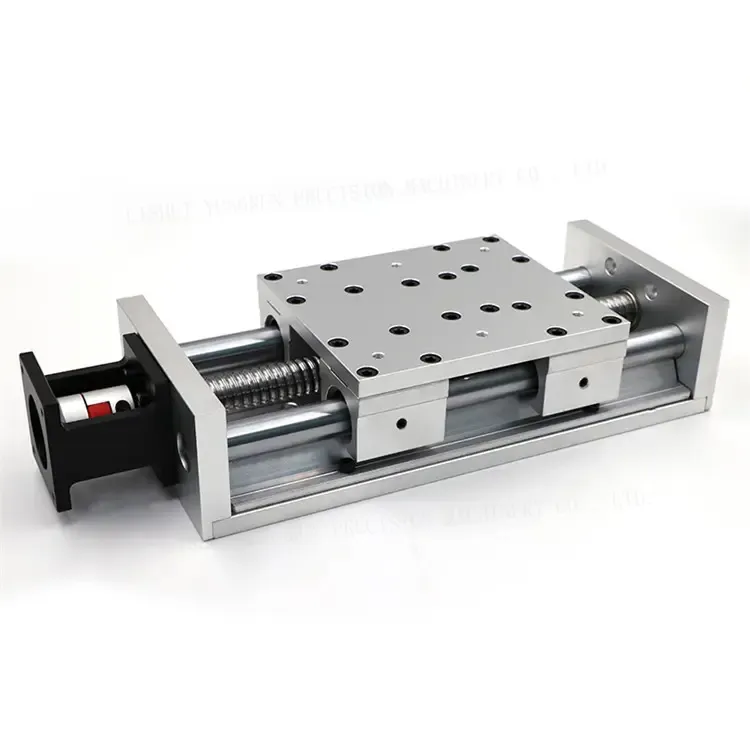
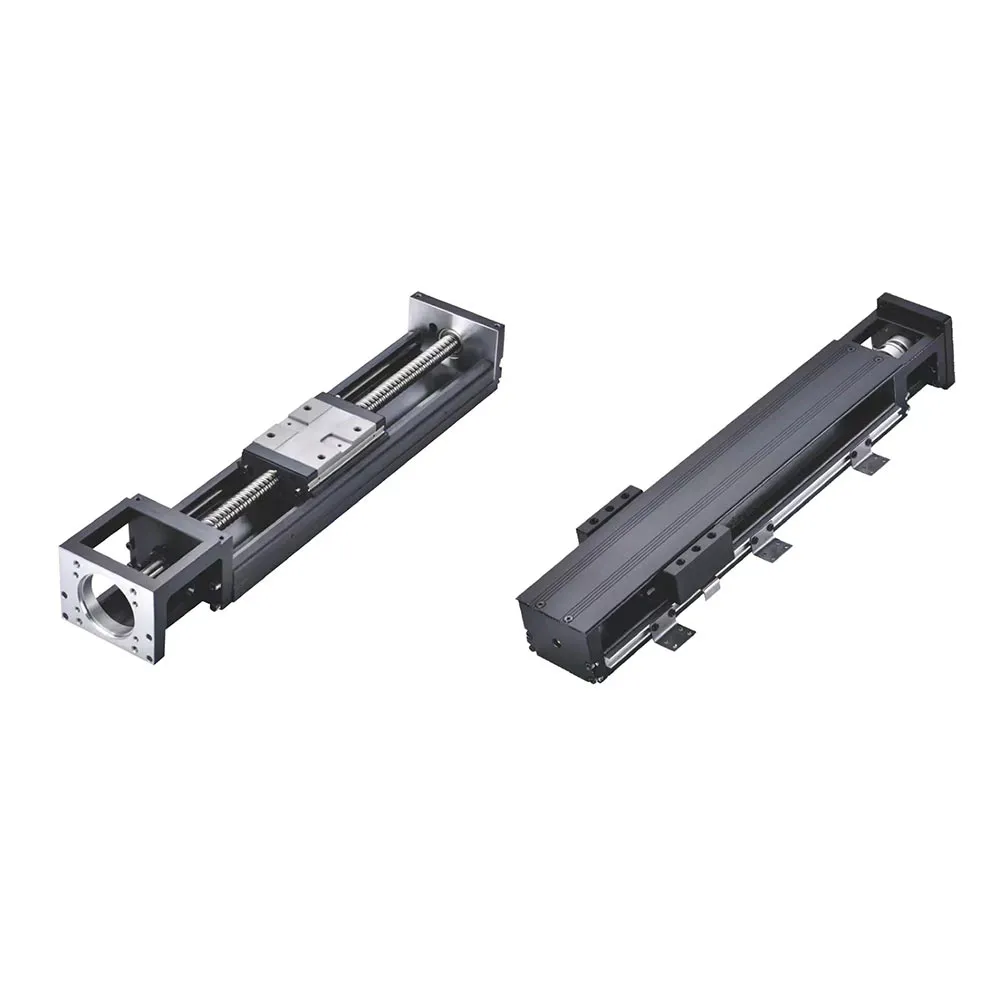
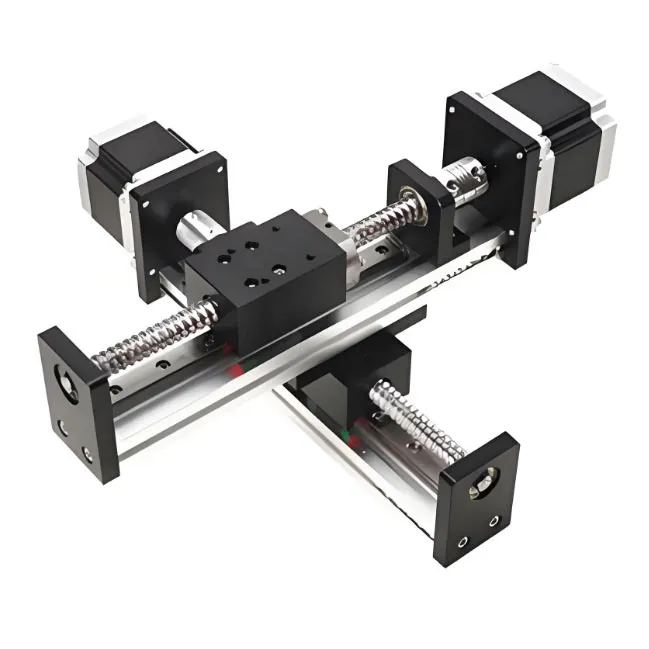
Linear Module And Ball Screw Linear Actuator
-
Linear Module Classification
1. Classification by transmission method
Type
Key characteristics
Ball screw linear module
High rigidity, low friction, and strong torsional resistance
Synchronous belt linear module
Speed limitations and low cost
Gear rack linear module
Suitable for low-precision, heavy-duty applications
Linear motor module
Direct-drive transmission technology for ultra-high precision and speed
2. Classification by protective structure
Type
Key characteristics
Fully enclosed linear module
Stainless steel strip dust protection, a high IP protection level, and suitability for harsh environments
Semi-closed linear module
Integrated aluminum profile construction, dust and splash protection, and straightforward maintenance
Open linear module
No dust-protection structure; compact size and flexible installation
3. Classification by special function
Type
Key characteristics
Modular customized linear module
Supports separate supply of slide rails and sliders, such as KK single-axis modules, along with load expansion components to help reduce maintenance costs
Multi-axis combination linear module
Enables 3D motion through XYZ-axis combinations, including gantry modules
-
Linear Module Features
Easy to design and install
Compact size and lightweight construction
High precision
High rigidity
Comprehensive equipment options
Optimized design
-
Linear Module Performance Advantages
1. Fast response and stable operation
The dual-axis guide rail and chrome-plated shaft design provide low friction and high rigidity. The module supports frequent start-stop cycles and smooth operation, with less noise than traditional transmission devices.
2. Protection and durability
Fully enclosed dust protection uses sealing tape and contact components to help prevent external dust from entering the base. During movement, the module also clears attached dust, helping extend equipment service life.
3. Corrosion and rust resistance
The aluminum alloy slider and shaft support seat receive anodized treatment, while the shaft is hard-chrome plated. These treatments provide rust and corrosion resistance for demanding industrial environments.
4. Customized modular design
The slide rail and slider are available separately, and worn parts support complete interchangeability. This design helps simplify maintenance and reduce ongoing costs.
5. Cost-effective performance
Compared with linear motors, linear modules use a standardized structural design for lower production costs. Rigid guide rails can expand load capacity to serve both light- and heavy-load applications.
-
Linear Module Applications
CNC machining equipment
Robot integration
AOI optical inspection equipment
Automatic soldering machines and surface-mount machines
New energy and power equipment
Medical equipment
Automotive and heavy equipment manufacturing
Logistics and warehouse automation
-
Linear Module Selection
1. Core performance parameters
Load: Consider both dynamic and static load.
Maximum speed: Synchronous belt modules can reach 5m/s, such as the GTB series; ball screw modules are usually ≤ 1.5m/s.
Effective travel: Allow 10-15% over-travel protection distance to help avoid collisions with mechanical limits.
2. Body size and material
Module width: A key factor in determining load capacity.
Installation length: Match the effective travel and available space at the mechanical limits.
Slider type: Choose a flange type for a flat-width design or a square type for a high-rigidity design.
Protection level: Fully enclosed module > semi-closed module > open module.
3. Environmental adaptation parameters
Temperature compensation: Precision applications require a ground-grade screw rod configuration.
Corrosion resistance: Anodized aluminum and a chrome-plated shaft are suitable for acidic and alkaline environments.
Dust protection: Stainless steel sealing tape and an automatic dust-cleaning structure are suitable for dust-free workshops.
-
What is the average lead time?
Request a Quote
Interested in our products? Leave your contact information here, and our team will get in touch with you shortly.
1. Classification by transmission method TypeKey characteristicsBall screw linear moduleHigh rigidity, low friction, and strong torsional resistanceSynchronous belt linear moduleSpeed limitations and