- Location: 16-1-1601 Aobeigongyuan, Chang 'an District, Shijiazhuang City, Hebei Province, China
- Phone: +86-18134111662
- Email: [email protected]
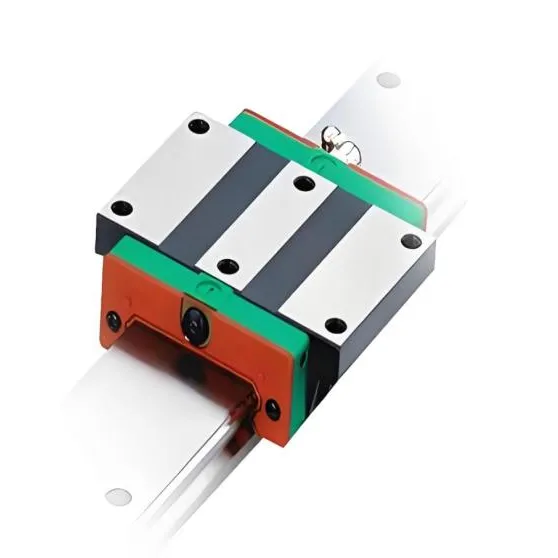
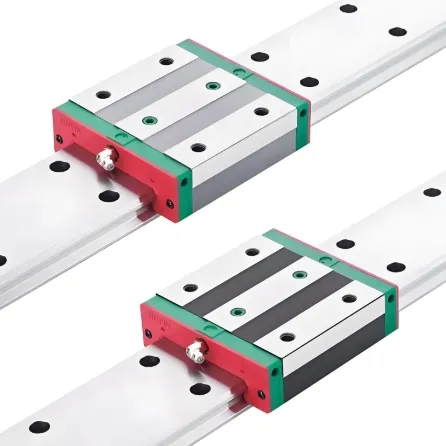
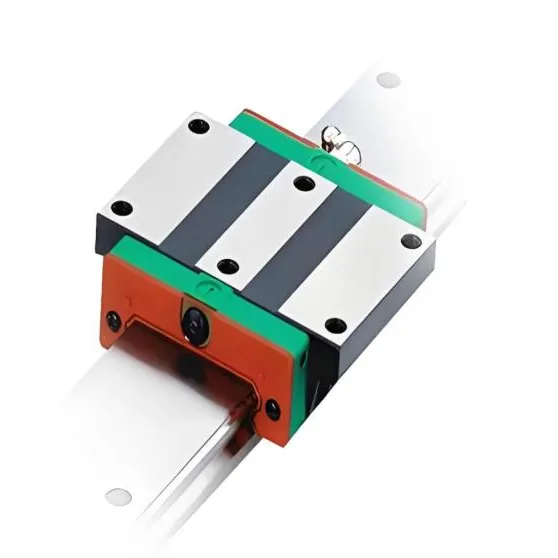
We Series Linear Guides We15 We20 Heavy Duty Linear Bearing
-
WE Series Linear Guide Features
Four-column steel ball, 45° contact design:
The WE Series guide uses four columns of steel balls to carry load. Its 45° contact angle supports radial, reverse-radial, and lateral load characteristics, making the slide suitable for applications where forces may act in more than one direction. An automatic-centering function helps absorb assembly errors between mounting surfaces and supports high-precision operation. This is a practical advantage during machine integration, where small differences in the mounting interface can otherwise affect smooth travel and positioning.
Wide-gauge, low-height structure:
The rail width is increased to about 1.5 times the standard, while the combined height is reduced. This arrangement significantly improves torsional impedance capability and supports single-axis, high-torque loads. The wider profile can be useful when a mechanism needs greater resistance to twisting but available installation height is limited. For equipment designers, this configuration offers a way to balance load support and compact machine layout without changing the guide’s intended linear-motion role.
Enhanced installation stability:
The slide rail uses a two-row installation-bolt fixing design to improve overall mounting strength. A stable mounting interface helps reduce the risk of deformation during operation and supports consistent movement in equipment subject to working loads. Correct alignment and secure installation remain important for achieving the intended travel performance; the rail’s fixing arrangement is designed to contribute to a firm, dependable assembly.
Low friction and long service life:
Rolling friction significantly reduces the friction coefficient and helps limit ineffective motion. This can support equipment accuracy and mechanical efficiency during repeated travel. The guide is described as having high hardness and corrosion resistance, making it suitable for long-term, high-load working conditions. These properties make the WE Series a practical option for machinery where smooth motion, dependable load handling, and ongoing operation are important selection considerations.
For WE15 and WE20 applications, consider the load direction, mounting arrangement, available space, and motion requirements of the machine when reviewing a suitable configuration. The combination of a wide gauge, low overall height, multi-direction load characteristics, and stable rail fixing is intended to serve demanding linear-motion duties while supporting a compact mechanical design.
-
WE Series Linear Guide Applications
Precision equipment: These guides can be used in precision measuring instruments and semiconductor manufacturing equipment, including chip positioning and handling systems. Smooth, controlled linear movement is valuable in these applications because the mechanism must support repeatable positioning as part of the wider machine process. The four-column ball arrangement and automatic-centering function can help accommodate mounting-surface assembly errors while supporting high-precision operation.
Industrial automation: Suitable application examples include single-axis robotic arms and automated production lines. In automated equipment, linear guides provide the movement path for machine components and work-handling mechanisms. The wide-gauge, low-height structure can be relevant where designers need torsional resistance and a compact installation profile, while the rolling friction design supports efficient repeated movement.
Heavy-load transportation: Material transportation systems and rotating workbenches are examples of equipment that may require single-axis torque bearing. The guide’s stated torsional impedance capability and multi-direction load characteristics can help address these application demands. Selection should account for the actual operating arrangement and loads of the equipment; the product information describes the guide’s design characteristics but does not specify a universal load rating for every installation.
Across these application areas, the WE Series is intended for linear-motion assemblies where precision, mounting stability, limited installation height, or high-torque conditions are important considerations. It can be evaluated for new machine builds as well as replacement or redesign work, provided the selected guide configuration is compatible with the application’s mounting and operating requirements.
-
WE Series Linear Guide Product Details
The product images below show WE Series linear guide components and provide a visual reference for evaluating the guide’s form and arrangement. Review the images alongside the product parameters and the machine’s mounting requirements when planning an installation. The images complement the stated design features, including the wide-gauge, low-height structure and rail fixing arrangement; they do not replace checking the configuration required for a particular application.
When incorporating a linear guide into a machine, maintain a suitable mounting surface and follow the equipment design’s alignment and fastening practices. Stable installation helps the rail and slide operate as intended and supports consistent travel over time. Periodic inspection as part of the machine’s regular maintenance routine can help operators identify contamination, unusual resistance, or changes in movement before they affect the wider mechanism.
-
WE Series Linear Guide Parameters
The parameter images provide product information for reviewing the WE Series guide. Consult the charts when comparing the WE15 and WE20 models or checking details relevant to a planned installation. Because application requirements differ, use the supplied parameter information together with the machine’s load direction, mounting layout, travel needs, and available installation space to determine whether a configuration is appropriate.
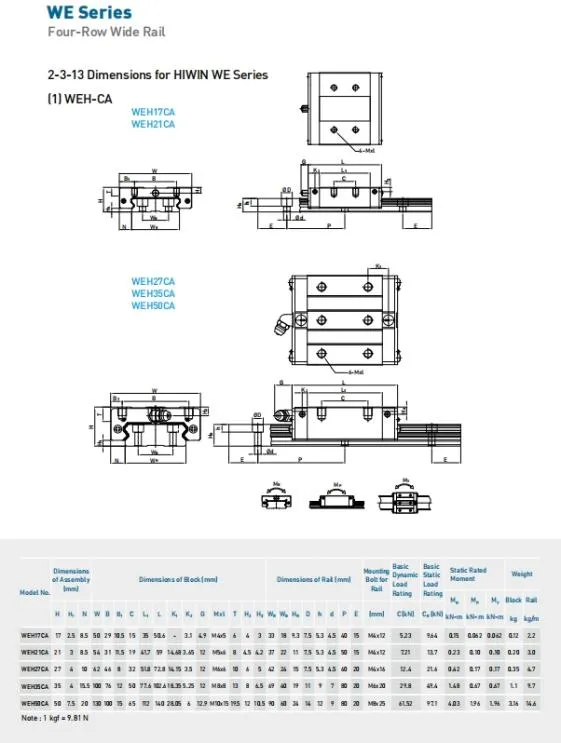

The published charts should be treated as the reference for model-specific information. Confirm the required model and installation details during equipment selection rather than assuming that one guide arrangement is suitable for every machine. Matching the guide to the application helps make use of its stated structural benefits, including multi-direction load support, torsional impedance, and a low-height profile.
-
WE Series Linear Guide Lead Time and Quote
Request a Quote
For current lead-time information and product availability, please contact us with your requirements. If you are interested in the WE Series linear guides, share the model under consideration, application, and relevant installation details so our team can follow up with product information and a quotation. Lead time can vary according to order requirements, so please request confirmation before planning your project schedule. Leave your information here and we will be in touch with you shortly.

Four-column steel ball, 45° contact design:The WE Series guide uses four columns of steel balls to carry load. Its 45° contact angle supports radial, reverse-radial, and lateral load characteristics,