- Location: 16-1-1601 Aobeigongyuan, Chang 'an District, Shijiazhuang City, Hebei Province, China
- Phone: +86-18134111662
- Email: [email protected]
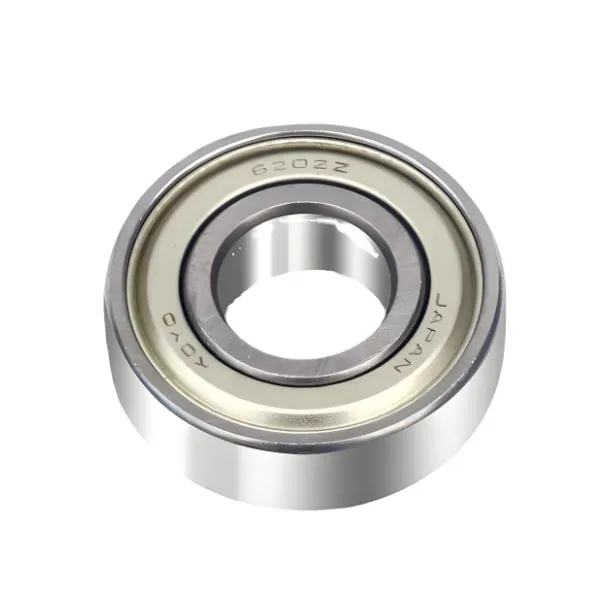
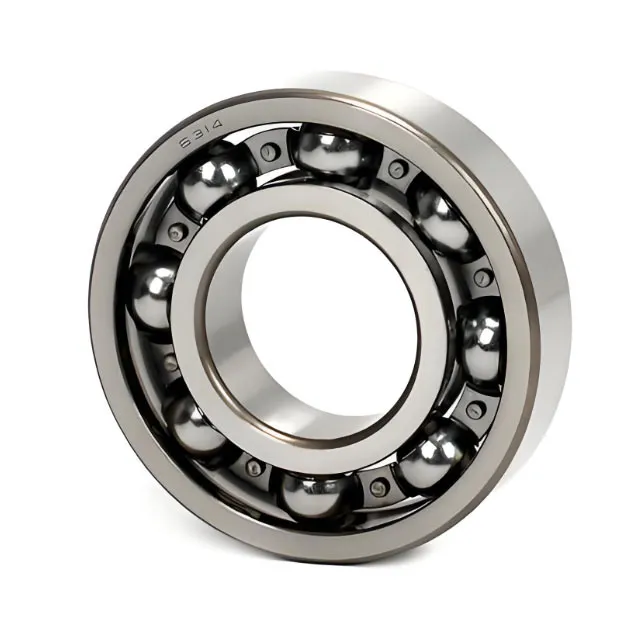
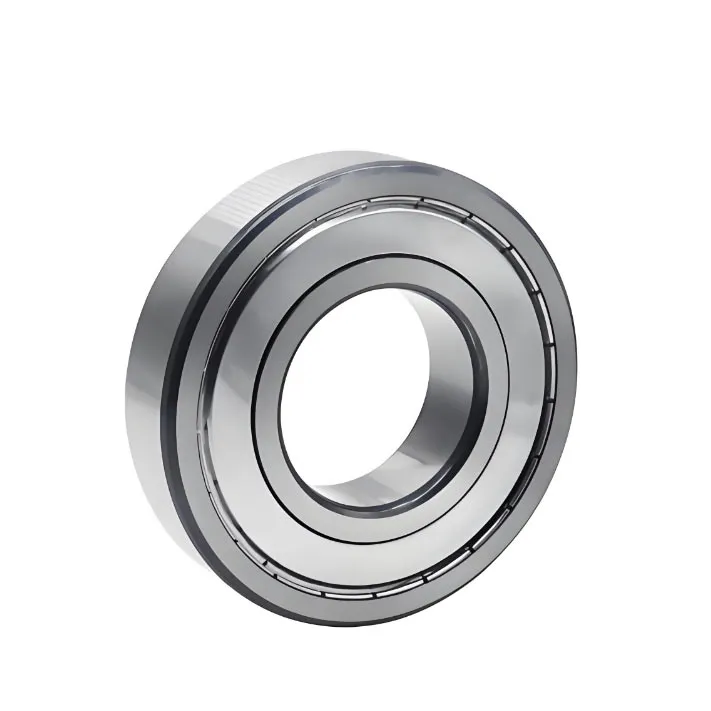
Tapered Roller Bearing
-
Bearing Types and Characteristics
Type
Key characteristic
Deep groove ball bearing
Suitable for high-speed, light-load applications.
Tapered Roller Bearings
Designed for heavy-duty service and impact resistance, and able to withstand combined axial and radial loads.
Self-aligning roller bearings
Automatically compensate for axis misalignment of 0.5 ° -2.5 °, helping reduce installation-accuracy requirements.
Angular contact ball bearings
With a contact angle of 15 ° -40 °, these bearings are designed for high-speed, precision applications.
-
Bearing Features
Load capacity: Bearings can support radial loads, axial loads, or a combination of both, depending on their design.
Self-aligning performance: Some bearing types compensate for shaft or housing misalignment caused by deflection or non-concentricity. Self-aligning ball and roller bearings can automatically accommodate axis misalignment, making them suitable for varied operating conditions.
Lubrication options: Self-lubricating bearings can operate without oil or with reduced lubrication, which is useful where adding oil is difficult or unsuitable. Their wear resistance and low friction coefficient support long service life while helping reduce vibration, noise, and contamination.
-
Bearing Performance Advantages
High-temperature capability: Some bearing designs operate reliably in high-temperature environments. High-sulfur alloys, silicon carbide composites, special heat treatment, and graphite inlay technology can support oil-free self-lubrication.
Precision and low friction: High precision and reduced friction can improve equipment performance. Optimized design helps lower friction torque and energy loss while supporting smooth, high-speed operation.
Service life and reliability: High-quality bearing steel and special alloy materials, combined with specialized heat treatment, can provide wear, corrosion, and fatigue resistance for stable operation in demanding environments. Ball bearing designs minimize friction to help extend service life, including in applications requiring long-term, high-load operation.
Application range: Bearing types serve different operating needs. Oil bearings have a simple structure and low cost for medium- and low-speed equipment. Hydraulic bearings use an improved oil-locking structure to reduce lubricant leakage for more demanding applications. Ball bearings are widely used in high-speed, high-load equipment because of their mechanical properties and long service life.
-
Bearing Selection Guide
Shaft diameter:
For small-diameter shafts (d<10mm), deep groove ball bearings or needle roller bearings are preferred. Cylindrical roller and tapered roller bearings are suitable for large-diameter shafts.
For micro bearings with an inner diameter of 0.6mm~2mm, distinguish between metric 68/69/60 series and imperial R series.Section height:
A low-section design can balance load capacity with applications where radial space is limited.
Overall size:
Consider the combination of bearing diameter and width to check compatibility with the available space.
Accuracy levels:
P0 (ordinary level)
P6/P5 (higher accuracy levels)
P4/P2 (ultra-precision grades)
-
Bearing Applications
Precision machine tools
Mining and metallurgy
Railway transportation
Printing and food-processing machinery
-
What Is the Average Lead Time?
Request a Quote
Interested in this product? Leave your contact information and our team will get in touch with you shortly.
TypeKey characteristicDeep groove ball bearingSuitable for high-speed, light-load applications.Tapered Roller BearingsDesigned for heavy-duty service and impact resistance, and able to withstand